Designing Workplaces That Actually Support Fitness
From stair culture to micro-gyms, small design choices decide whether employees move — or stay glued to their desks.
Corporate wellness programmes fail quietly when the building fights them. If the only shower is three floors from the bike racks, or the “gym” is a windowless cupboard with a treadmill, adoption collapses within months.
Fitness-friendly workplaces do not need a full commercial gym. They need friction removed: secure bike storage at grade, lockers near changing rooms, daylight in movement spaces, and circulation that rewards taking the stairs.
Micro-gyms that get used
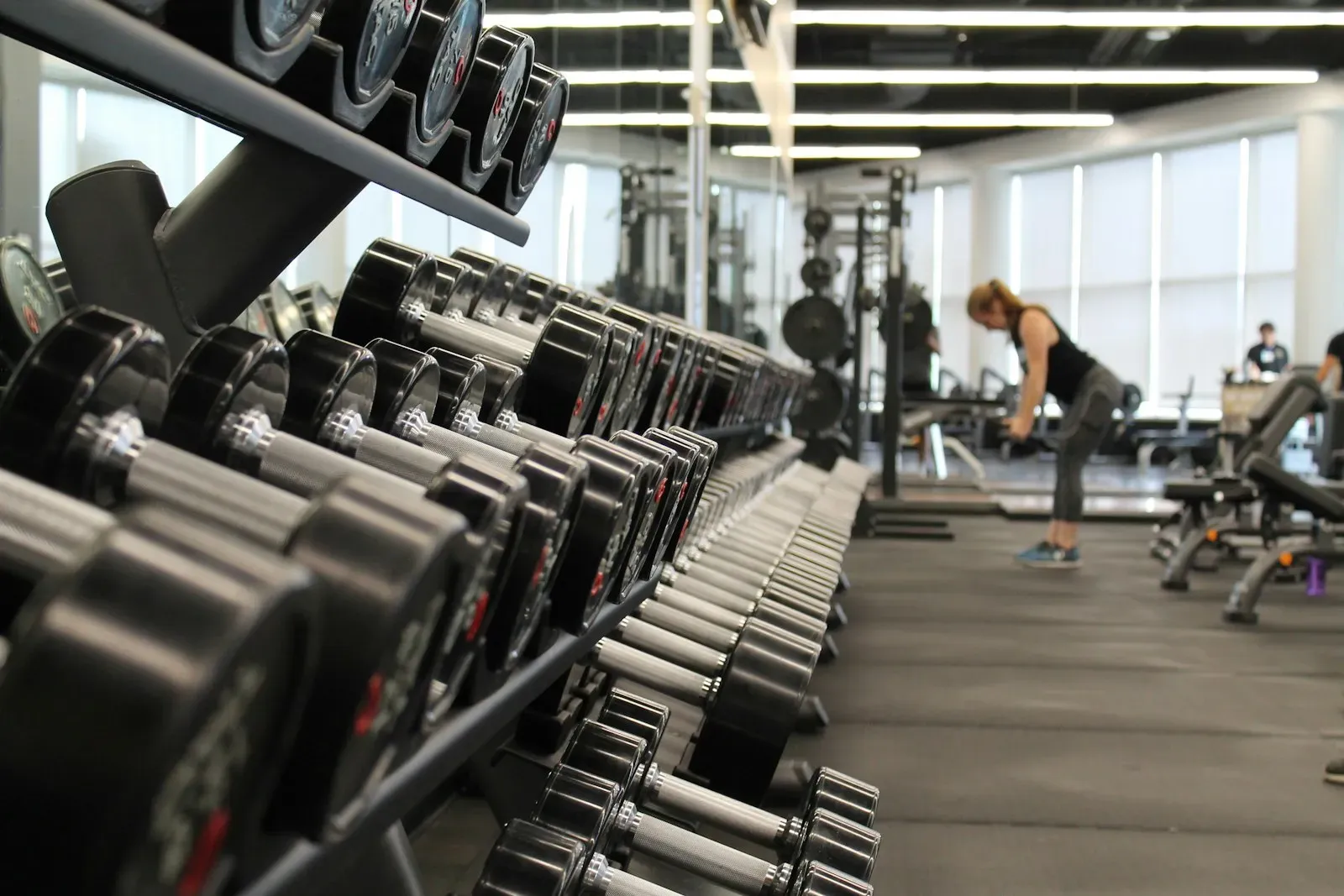
A 25–40 m² room with adjustable racks, mats, and a few cardio pieces outperforms a larger unused suite. Place it where people already pass — near a canteen or atrium — and keep hours aligned with shift patterns. Mirror glass and acoustic treatment matter more than branded rubber flooring.
Outdoor movement
Malta’s climate supports outdoor circuits for much of the year. Courtyards with soft surfaces, shaded stretching areas, and short walking loops turn lunch breaks into movement without a commute. Lighting and slip resistance keep those spaces usable after dark.
Integrate, don’t bolt on
The strongest projects treat fitness as part of the brief from day one: vertical circulation, shower capacity, and air quality for high-occupancy rooms. Retrofits can still work, but they cost more and compromise more. Build for movement early, and wellness stops being a brochure line.